Kids Safety in Gated Community
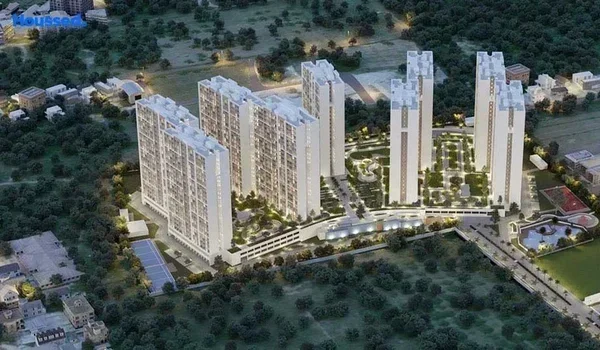
Featured Image of Kids Safety in Gated Community


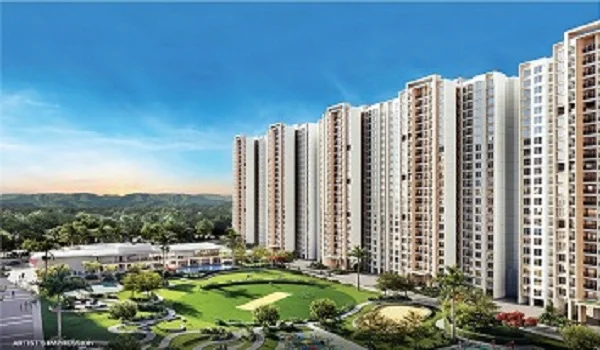
Kids' safety in gated communities is defined as a simple setup of locked gates, slow traffic rules, and security guards that keeps children safe from outside strangers and fast cars; in fact, gated neighborhoods cut unauthorized cars by 85% and lower outside child safety incidents by 60% compared to open city roads. These communities replace busy public streets with quiet footpaths, easy gate checks, and clean parks where kids can play freely.

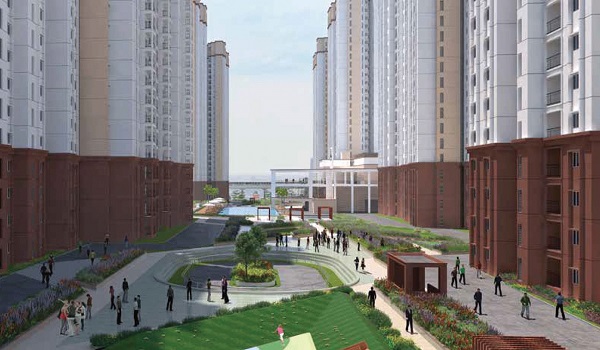
High perimeter walls keep unknown visitors out and stop young children from running into heavy traffic. Parents can let their kids ride bikes and play on the grass with peace of mind while guards and cameras watch over the neighborhood.
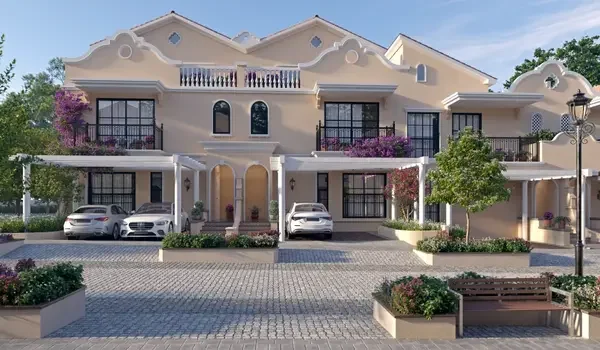
Core Perimeter and Digital Access Management


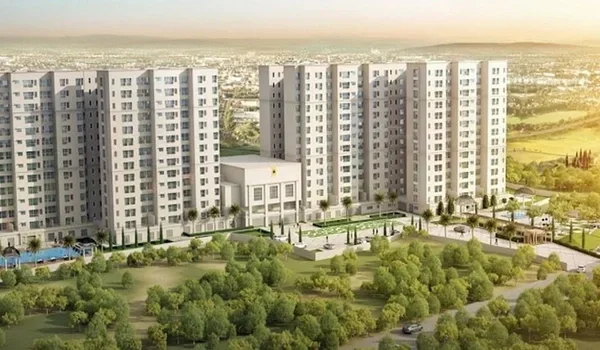
High boundary walls and locked gates stop strangers from walking into family living areas. Security guards work with mobile apps to check every visitor before they open the main gate.
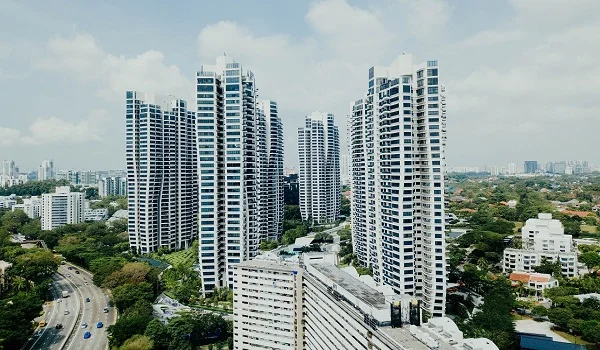
  • Simple Gate Checks: Guards log car plate numbers and use phone apps to approve all guests, cabs, and delivery drivers before entry.
  • Tall Brick Walls: The grounds use eight-foot brick walls with strong wire fences on top to keep the neighborhood safe at all hours.
  • Full Camera Coverage: Bright video cameras record day and night at the front gate, parks, walk paths, and lobby doors.
  • Checked House Staff: Helpers, drivers, and lawn staff show ID cards and scan their fingers at the gate to enter.

Traffic Calming and Vehicle-Free Play Infrastructure


Smart street layouts keep moving cars and delivery bikes far away from spots where kids play. The quiet lanes inside use wide speed bumps and clear signs to keep all cars under 15 km/h.

  • Car-Free Play Areas: Raised decks and central lawns have zero cars, so kids can run without crossing driving lanes.
  • Thick Speed Bumps: Wide rubber speed humps and clear signs make drivers slow down near every home.
  • Smooth Walking Paths: Wide walking paths and bike trails let children ride bikes to the park without using car roads.
  • Smart Parking Bays: Cars park in lower basement lots, keeping open lawns free from moving cars.

Safety Standards for Certified Child Amenities


The kids’ play areas have soft flooring and safe play equipment to help prevent cuts and scrapes. The equipment is designed with smooth edges and fewer pinch points, giving children a safer place to play.

  • Soft Rubber Mats: Play parks place thick rubber tiles or soft grass under swings to cushion young knees when kids jump.
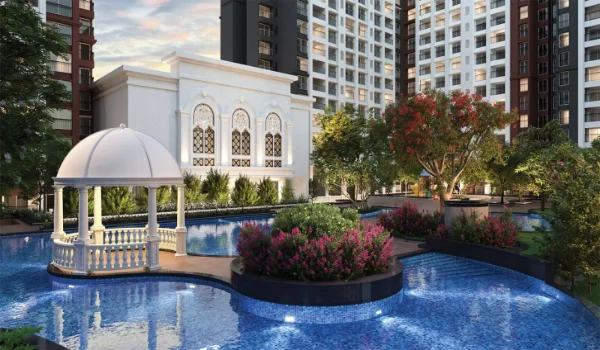
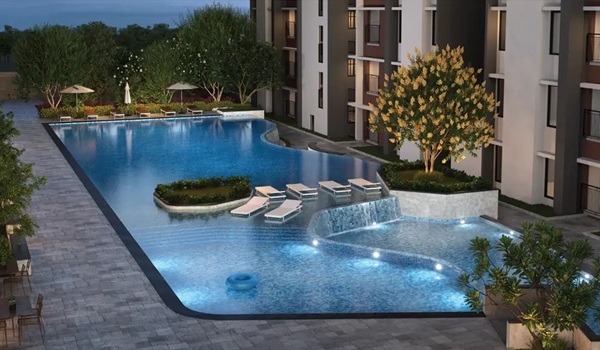
  • Fenced Kids Pools: Shallow toddler pools stay separated from deep water by tall safety gates with locks kids cannot reach.
  • Smooth Play Toys: Swings and climbing frames use smooth, clean plastics and coated metals without loose bolts or rust.
  • Fenced Game Courts: Tall wire nets around tennis, football, and basketball courts keep balls and players inside the court.|

Low-Density Security Model: Prestige Springwood, Devanahalli


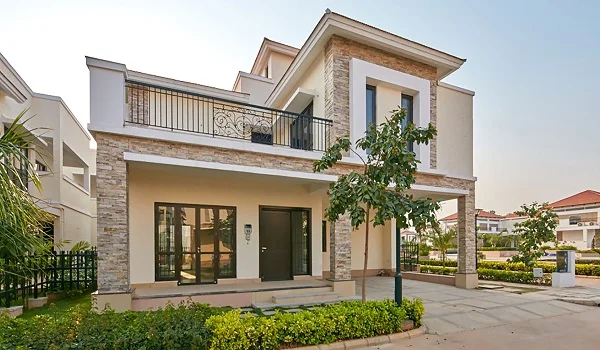
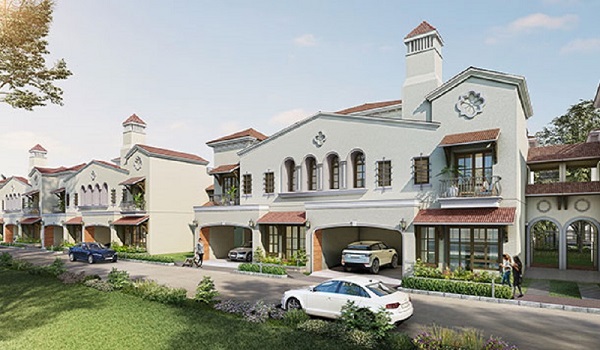
Prestige Springwood shows how a low-density neighborhood keeps kids safe on its 9-acre property in Yerthiganahalli, Devanahalli, North Bangalore. The project has just 60 luxury 4 BHK row villas—offering the Royale Townhouse (4,000 sq ft, starting at ₹10 Crores) and the Magnus Townhouse (5,000 sq ft, up to ₹12.5 Crores)—meaning very few cars move through the property each day. Over 80% of the land is open green space, making it easy for parents and guards to see where children are playing.

  • Very Low Car Traffic: Having only 60 homes on 9 acres keeps roads calm and driveways clear for kids riding bikes outside.
  • Child-Safe Play Spots: The community includes soft-ground parks, sand pits, green grass lawns, sports courts, and a shallow kids' pool.
  • All-Day Guard Cover: The entire property uses non-stop camera monitoring, gate checks, and video doorbells for every home.
  • Large Clubhouse for Fun: A 50,000 sq ft clubhouse offers safe indoor game rooms, reading spaces, and activity rooms for rainy days.

Emergency Response and Smart Home Integration


Fast alarm systems link each home to the main security desk for rapid help. These tools help parents get fast support for small falls, scrapes, or home needs.

  • Fast Help Buttons: Home phones and mobile apps have one-touch help buttons that alert the security desk right away.
  • Door and Window Alerts: Smart door locks and window sensors send a chime to parents' phones if a child opens a balcony door.
  • First Aid at the Desk: The security office keeps clean bandages, cold packs, and first aid kits ready for playground scrapes.
  • Clear Fire Alarms: Common halls and club rooms feature water sprinklers, smoke alarms, and bright exit signs.

FAQs


1. How do gated communities make school bus pick-ups safer for kids?

Many communities have covered bus stops near the main entrance. Security guards and CCTV cameras watch the area, giving children a safer place to wait for their school bus away from busy roads.

2. What swimming pool safety features should parents look for?

Look for a shallow splash pool made just for young kids, along with tall safety gates that lock shut. The area around the pool should have non-slip tiles, life rings on the wall, and a trained lifeguard on duty.

3. How do visitor gate apps stop children from wandering outside?

Guards use the community gate app to check permissions before letting a child leave. If a child walks up alone, the guard calls the parents directly to make sure it is safe.

4. Why are low-density villa communities safer for young kids?

Neighborhoods with fewer homes, like the 60-villa layout at Prestige Springwood, see very little car traffic. With fewer cars and fewer daily visitors, it is much easier for parents and guards to spot kids playing outside.

Prestige Springwood Blog


Enquiry
Enquire Now